Discover Madeira Without Letting Knee Pain Slow You Down

Low Back Pain from Desk Work? How Physiotherapy and an Ergonomic Active Stool Can Improve Posture and Reduce Pain
Acute Low Back Pain from Sitting Too Long? Physiotherapy and Lumbar Support for Fast Relief

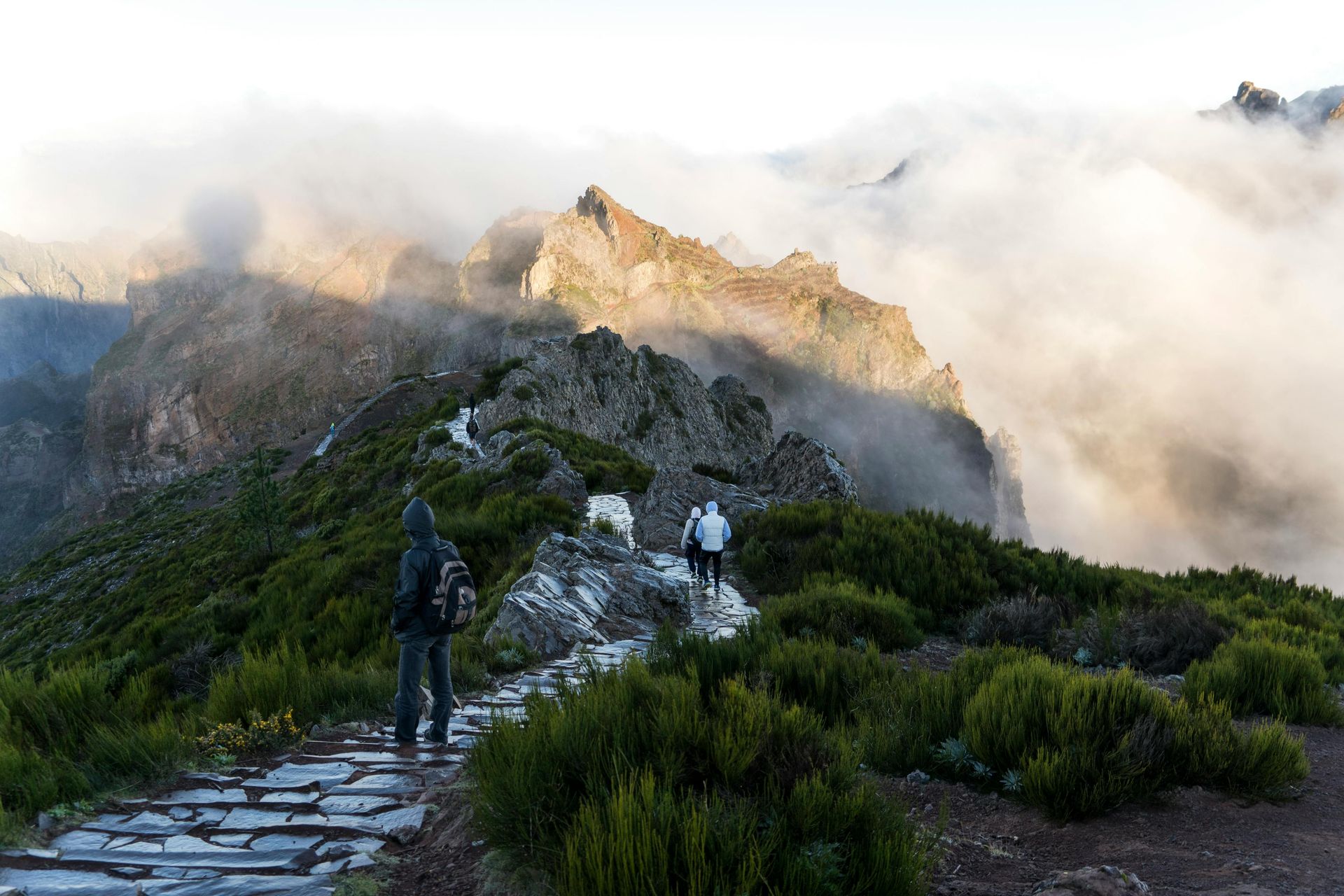
Madeira, a stunning archipelago off the coast of Portugal, is often hailed as one of the best destinations for those seeking recovery and rejuvenation. With its mild, temperate climate, stunning landscapes, and rich natural resources, Madeira offers the ideal environment for those suffering from injuries or seeking to enhance their overall well-being. For people from Nordic countries and those dealing with joint arthritis, the island’s climate and surroundings can have a profound impact on healing and improving quality of life. 1. A Mild and Consistent Climate for Recovery Madeira is renowned for its mild climate, with temperatures typically ranging from 16°C (60°F) in winter to 25°C (77°F) in summer. This consistent, moderate weather has a remarkable effect on people suffering from joint pain, arthritis, and other chronic conditions. Unlike the harsh, cold winters of Nordic countries, which can exacerbate symptoms of joint stiffness and inflammation, Madeira’s warm temperatures promote better mobility and reduce discomfort. The warmth helps improve blood circulation, relax muscles, and ease joint stiffness, which is a common issue for those with arthritis. In addition, the dry air and mild breezes create a comfortable atmosphere conducive to outdoor activities, walking, and light exercise—all essential for speeding up recovery and enhancing joint flexibility. 2. A Natural Escape for Healing Beyond its climate, Madeira’s lush natural surroundings also play a crucial role in health and recovery. The island is home to rich flora, including eucalyptus, pine forests, and fragrant flowers, all of which contribute to cleaner air and an environment conducive to breathing and relaxation. Studies have shown that exposure to nature reduces stress levels, encourages mental relaxation, and improves mood—factors that are essential for healing after an injury or surgery. For those with joint pain or arthritis, taking gentle walks in the island's famous levadas (irrigation channels that weave through the island’s mountains) offers not only physical exercise but also the soothing benefits of spending time in nature. The slow-paced, low-impact walking along these stunning paths helps maintain mobility without straining the joints. 3. The Impact on Nordic Visitors: Relief from the Cold People from Nordic countries, where long, dark winters are common, often experience exacerbated symptoms of arthritis and joint discomfort during the colder months. The cold and damp conditions can worsen inflammation and cause significant pain for those with osteoarthritis or other joint-related issues. In contrast, the warmth and sunlight of Madeira are a welcome relief for many, providing a much-needed escape to an environment that helps alleviate these symptoms. The increased exposure to sunlight in Madeira also boosts vitamin D production, which is essential for bone health and joint function. This is particularly beneficial for those from colder climates where sunlight may be scarce for much of the year. By improving vitamin D levels, visitors can experience enhanced bone density, reduced inflammation, and improved overall health—contributing to both short-term recovery and long-term longevity. 4. The Role of Physical Therapy and Rehabilitation in Madeira Physiotherapy and rehabilitation services in Madeira are tailored to meet the specific needs of individuals recovering from injuries or managing chronic conditions. The combination of the island's natural climate with professional physiotherapy services accelerates recovery by promoting mobility, flexibility, and strength in a supportive, soothing environment. Patients recovering from surgery or managing joint pain can take advantage of targeted rehabilitation programs, which may include hydrotherapy, massage, and movement therapies, all complemented by the island's natural healing elements. The low-stress environment of Madeira allows for better focus on recovery, making it easier for patients to engage in rehabilitation exercises without the usual mental or physical strain that comes with stress-heavy environments. 5. Madeira’s Benefits for Longevity In addition to helping those with joint arthritis and injury, Madeira’s climate and natural environment contribute to longer, healthier lives. The island’s relaxed pace of life, combined with its emphasis on fresh, local food, regular physical activity, and social engagement, fosters a lifestyle that promotes longevity. Studies have shown that people who live in environments that encourage outdoor activity, sunlight exposure, and a connection to nature tend to live longer and experience fewer chronic illnesses. Madeira’s healthy Mediterranean-inspired diet—rich in fish, fruits, vegetables, and nuts—also supports overall health, especially for those recovering from injury or looking to maintain long-term vitality. These dietary habits, along with a lifestyle that encourages spending time in nature, make Madeira a perfect setting for those seeking to improve their health and well-being. Conclusion: A Sanctuary for Recovery and Vitality For individuals recovering from injuries, managing chronic conditions like arthritis, or simply seeking a healthier lifestyle, Madeira offers a truly unique combination of climate, nature, and culture. The island’s warm, consistent weather helps reduce inflammation and pain, while its natural beauty promotes mental relaxation and physical rehabilitation. For Nordic visitors and those with joint pain, Madeira is a sanctuary that can help not only in recovery but also in enhancing overall longevity and quality of life. Whether it's walking through the island's verdant landscapes, receiving specialized physiotherapy, or simply basking in the soothing warmth of the sun, Madeira provides an environment where healing happens naturally, and well-being flourishes.