Low Back Pain from Desk Work? Physiotherapy & Ergonomic Active Stool for Office Workers

Robbie Braz

2025

Low Back Pain from Desk Work? How Physiotherapy and an Ergonomic Active Stool Can Improve Posture and Reduce Pain

If you are experiencing low back pain from sitting all day at a desk, you are not alone. Office workers, remote employees, and students often suffer from desk-related lower back pain, stiffness, and poor posture due to prolonged sitting and lack of movement.

The good news is that physiotherapy for low back pain combined with an ergonomic active sitting stool can significantly improve posture, reduce pain, and prevent future discomfort.

Why Desk Jobs Cause Low Back Pain

Long hours of sitting in an office chair can lead to:

  • Weak core and glute muscles
  • Tight hip flexors from prolonged sitting
  • Increased pressure on the lumbar spine
  • Poor posture and spinal misalignment
  • Reduced blood flow and muscle fatigue

These factors contribute to chronic or acute low back pain from sitting at work.

Physiotherapy for Desk-Related Low Back Pain

Physiotherapy treatment for low back pain focuses on correcting the root cause of discomfort rather than just masking symptoms.

A personalized physiotherapy plan may include:

  • Manual therapy for pain relief and mobility improvement
  • Core strengthening exercises for spinal stability
  • Postural correction for office ergonomics
  • Movement and stretching routines for desk workers
  • Education on preventing recurring low back pain


Physiotherapy is one of the most effective treatments for office-related back pain and posture problems.

Ergonomic Active Stool for Office Work

An ergonomic active sitting stool helps reduce strain caused by prolonged sitting by encouraging movement and proper posture throughout the day.

This active stool is designed to:

  • Distribute body weight evenly and reduce pressure on thighs
  • Support dynamic sitting and active posture engagement
  • Strengthen core, back, and abdominal muscles over time
  • Improve spinal alignment during office work
  • Fit under most desks with adjustable height settings

 Key Features of This Ergonomic Stool:

  • Dual-density foam seat for enhanced comfort
  • Rounded base for continuous micro-movement (active sitting)
  • Adjustable height: 57–82 cm for desk compatibility
  • Supports up to 110 kg
  • Anti-slip stable base for safety
  • Certified ergonomic design (TÜV & GS safety standards)
  • Compact and space-saving office design

  Check Ergonomic Active Stool on Amazon:

Best Solution for Desk-Related Low Back Pain

For long-term relief from low back pain caused by desk work, the most effective approach is combining:

✔ Physiotherapy for posture correction and pain treatment
✔ Ergonomic active stool for improved sitting mechanics
✔ Regular movement breaks during working hours

This combination helps reduce back pain, improve posture, and prevent recurrence.

By Robbie Braz May 6, 2026
Acute Low Back Pain from Sitting Too Long? Physiotherapy and Lumbar Support for Fast Relief

sunset clouds Madeira island, Why Madeira is a Perfect Destination for Physical Recovery, Madeira hiking
By Physiotherapist Robbie Braz April 24, 2026
Madeira, a stunning archipelago off the coast of Portugal, is often hailed as one of the best destinations for those seeking recovery and rejuvenation. With its mild, temperate climate, stunning landscapes, and rich natural resources, Madeira offers the ideal environment for those suffering from injuries or seeking to enhance their overall well-being. For people from Nordic countries and those dealing with joint arthritis, the island’s climate and surroundings can have a profound impact on healing and improving quality of life. 1. A Mild and Consistent Climate for Recovery Madeira is renowned for its mild climate, with temperatures typically ranging from 16°C (60°F) in winter to 25°C (77°F) in summer. This consistent, moderate weather has a remarkable effect on people suffering from joint pain, arthritis, and other chronic conditions. Unlike the harsh, cold winters of Nordic countries, which can exacerbate symptoms of joint stiffness and inflammation, Madeira’s warm temperatures promote better mobility and reduce discomfort. The warmth helps improve blood circulation, relax muscles, and ease joint stiffness, which is a common issue for those with arthritis. In addition, the dry air and mild breezes create a comfortable atmosphere conducive to outdoor activities, walking, and light exercise—all essential for speeding up recovery and enhancing joint flexibility. 2. A Natural Escape for Healing Beyond its climate, Madeira’s lush natural surroundings also play a crucial role in health and recovery. The island is home to rich flora, including eucalyptus, pine forests, and fragrant flowers, all of which contribute to cleaner air and an environment conducive to breathing and relaxation. Studies have shown that exposure to nature reduces stress levels, encourages mental relaxation, and improves mood—factors that are essential for healing after an injury or surgery. For those with joint pain or arthritis, taking gentle walks in the island's famous levadas (irrigation channels that weave through the island’s mountains) offers not only physical exercise but also the soothing benefits of spending time in nature. The slow-paced, low-impact walking along these stunning paths helps maintain mobility without straining the joints. 3. The Impact on Nordic Visitors: Relief from the Cold People from Nordic countries, where long, dark winters are common, often experience exacerbated symptoms of arthritis and joint discomfort during the colder months. The cold and damp conditions can worsen inflammation and cause significant pain for those with osteoarthritis or other joint-related issues. In contrast, the warmth and sunlight of Madeira are a welcome relief for many, providing a much-needed escape to an environment that helps alleviate these symptoms. The increased exposure to sunlight in Madeira also boosts vitamin D production, which is essential for bone health and joint function. This is particularly beneficial for those from colder climates where sunlight may be scarce for much of the year. By improving vitamin D levels, visitors can experience enhanced bone density, reduced inflammation, and improved overall health—contributing to both short-term recovery and long-term longevity. 4. The Role of Physical Therapy and Rehabilitation in Madeira Physiotherapy and rehabilitation services in Madeira are tailored to meet the specific needs of individuals recovering from injuries or managing chronic conditions. The combination of the island's natural climate with professional physiotherapy services accelerates recovery by promoting mobility, flexibility, and strength in a supportive, soothing environment. Patients recovering from surgery or managing joint pain can take advantage of targeted rehabilitation programs, which may include hydrotherapy, massage, and movement therapies, all complemented by the island's natural healing elements. The low-stress environment of Madeira allows for better focus on recovery, making it easier for patients to engage in rehabilitation exercises without the usual mental or physical strain that comes with stress-heavy environments. 5. Madeira’s Benefits for Longevity In addition to helping those with joint arthritis and injury, Madeira’s climate and natural environment contribute to longer, healthier lives. The island’s relaxed pace of life, combined with its emphasis on fresh, local food, regular physical activity, and social engagement, fosters a lifestyle that promotes longevity. Studies have shown that people who live in environments that encourage outdoor activity, sunlight exposure, and a connection to nature tend to live longer and experience fewer chronic illnesses. Madeira’s healthy Mediterranean-inspired diet—rich in fish, fruits, vegetables, and nuts—also supports overall health, especially for those recovering from injury or looking to maintain long-term vitality. These dietary habits, along with a lifestyle that encourages spending time in nature, make Madeira a perfect setting for those seeking to improve their health and well-being. Conclusion: A Sanctuary for Recovery and Vitality For individuals recovering from injuries, managing chronic conditions like arthritis, or simply seeking a healthier lifestyle, Madeira offers a truly unique combination of climate, nature, and culture. The island’s warm, consistent weather helps reduce inflammation and pain, while its natural beauty promotes mental relaxation and physical rehabilitation. For Nordic visitors and those with joint pain, Madeira is a sanctuary that can help not only in recovery but also in enhancing overall longevity and quality of life. Whether it's walking through the island's verdant landscapes, receiving specialized physiotherapy, or simply basking in the soothing warmth of the sun, Madeira provides an environment where healing happens naturally, and well-being flourishes.
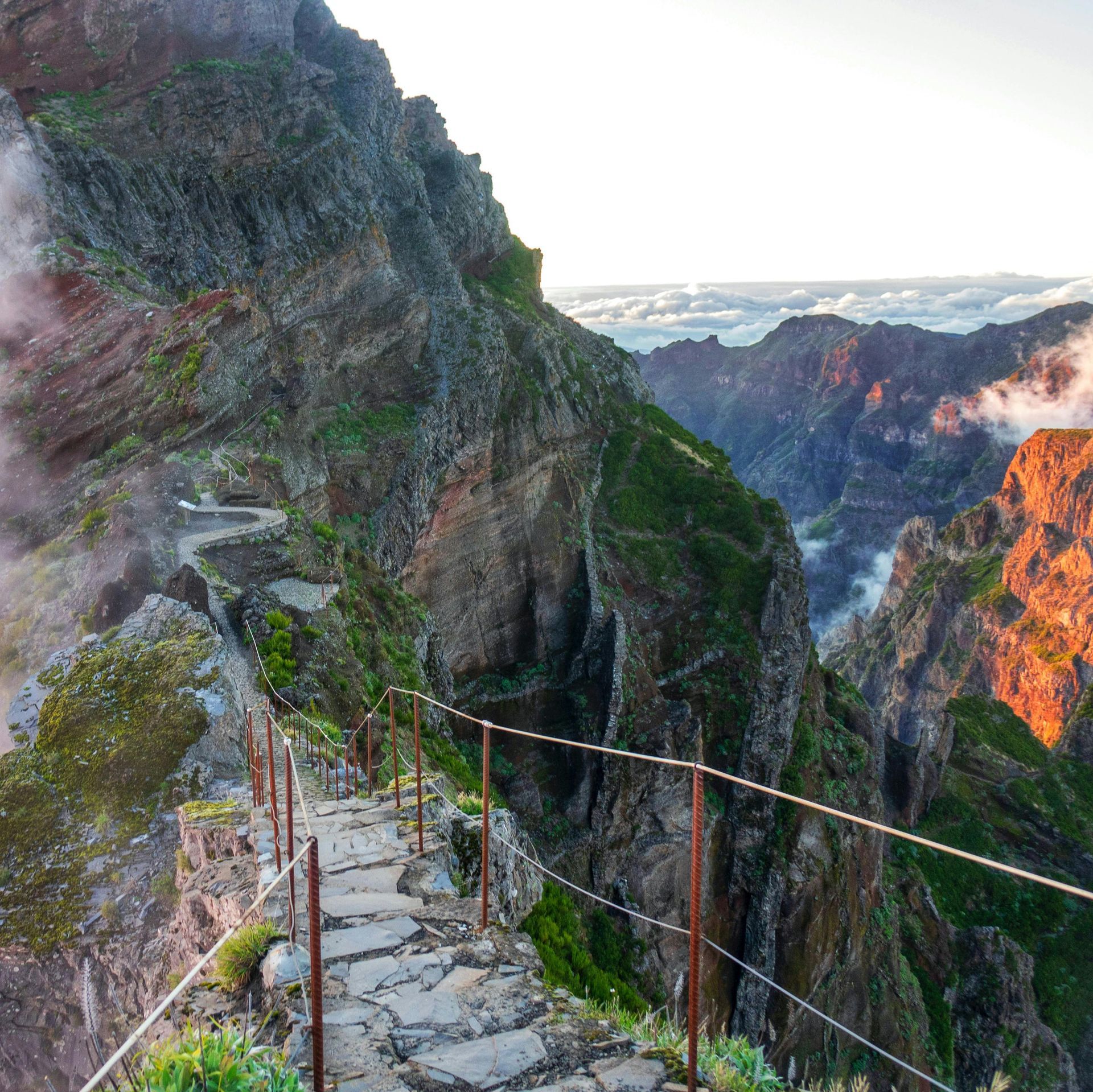
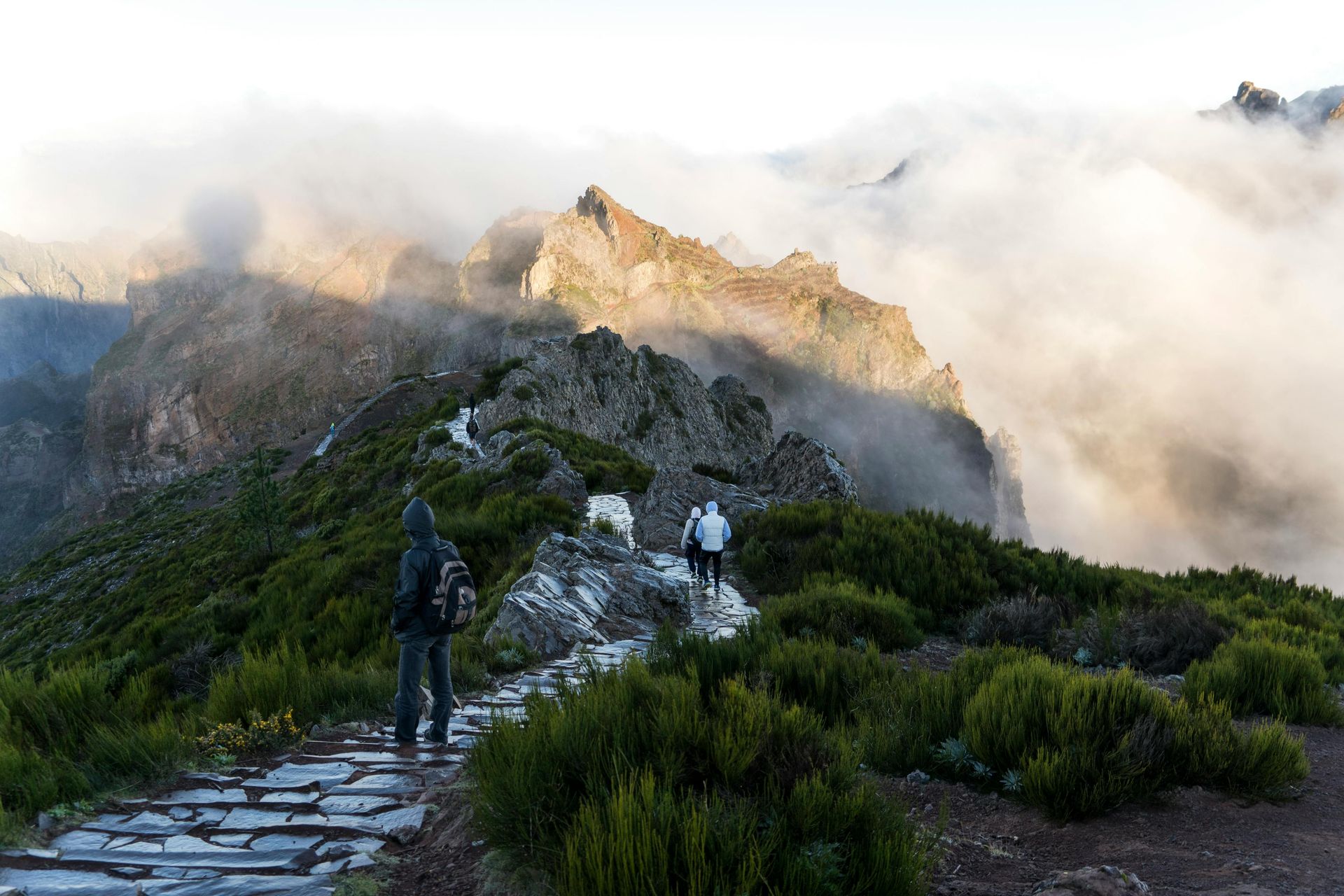
Pico do Arieiro to Pico Ruivo hike. How Fit Do You Need to Be for Hiking in Madeira?
By Physiotherapist Robbie Braz April 24, 2026
Madeira is a dream destination for hikers, known for its lush mountains, volcanic landscapes, rugged cliffs, and famous levadas.From scenic walks through the Laurisilva Forest to dramatic ridge hikes like Pico do Arieiro to Pico Ruivo, the island offers something for every level. But with steep terrain, long descents, and uneven paths, many visitors underestimate the physical demand—and end up dealing with pain, fatigue, or injury. Planning to hike in Madeira? Start with a quick physiotherapy assessment to make sure your body is ready. Understanding Madeira’s Trail Types Madeira offers a wide range of hiking experiences: - Levada Walks (Beginner to Intermediate) Relatively flat trails following irrigation channels. Ideal for longer, steady walks. -Mountain & Ridge Trails (Advanced) Steep climbs, narrow paths, and significant elevation changes—like the route between Pico do Arieiro and Pico Ruivo. -Coastal Trails (Moderate to Challenging) Uneven terrain, exposure to wind, and occasional scrambling. Not sure which level suits you? Get personalised advice based on your fitness and injury history. Fitness Requirements for Easy to Moderate Hikes Examples include: Levada dos Balcões Levada do Caldeirão Verde For these hikes, a moderate fitness level is usually enough. You should be comfortable walking 3–5 hours on uneven terrain. How to Prepare: Brisk walking or light jogging (3–4x/week) Strength exercises like squats and lunges Core training for balance and stability Even these “easier” hikes can cause: knee pain lower back discomfort foot fatigue If you already feel discomfort when walking or exercising, it’s worth checking it before your hike. Fitness for Challenging Hikes Examples include: Pico do Arieiro to Pico Ruivo Vereda da Ponta de São Lourenço These hikes demand: strong cardiovascular endurance leg strength balance and coordination Training Focus: 30–45 minutes cardio (running, cycling) Strength training (lunges, step-ups) Balance work (single-leg exercises) Stair climbing or hiking simulation These routes can take 4–8 hours and involve continuous stress on joints and muscles. Want to avoid injury during your hike? Book a pre-hike assessment and get a personalised plan. The Most Common Hiking Injuries in Madeira Many hikers arrive unprepared for the terrain and experience: Knee pain (especially on descents) Ankle sprains Lower back tightness Muscle fatigue or strains Plantar foot pain These issues often start small—but can quickly ruin your trip. Don’t wait until pain stops your plans—early treatment can get you back on the trail fast. How Physiotherapy Helps You Hike Better At Physiotherapy Madeira, we regularly help hikers: Prevent injuries before challenging hikes Recover quickly from pain or strain Improve strength, stability, and mobility Return safely to activity during their trip Whether you're preparing for a hike or already in pain, targeted treatment can make a huge difference. In pain after a hike? Book a physiotherapy session and recover quickly so you don’t miss out. Safety & Conditioning Tips for All Hikers Start with easier trails and progress gradually Stay hydrated and fuel properly Wear proper footwear with grip Rest between challenging hikes Check weather conditions before heading out Small preparation makes a big difference in preventing injuries.  Final Thoughts: Enjoy Madeira Without Pain or Injury Hiking in Madeira is an unforgettable experience—but it requires preparation. With the right fitness level, awareness, and support, you can fully enjoy the island without setbacks.
acute muscle injury Madeira, What to Do After Recovering from an Acute Muscle Injury, physiotherapist Funchal, sports massage
By Physiotherapist Robbie Braz April 24, 2026
Why Rehabilitation Matters After Injury Once the acute phase has passed, many people make the mistake of stopping treatment too early or returning to activity without structure. A proper rehabilitation plan helps to: ✔ Restore full movement Targeted exercises help regain flexibility, mobility, and normal muscle function. ✔ Prevent re-injury Strengthening the affected area reduces the risk of the injury returning. ✔ Improve long-term performance Rebuilding strength and control improves how your body performs in daily life and sport. Common Myths About Muscle Injury Recovery Myth 1: “Rest is all you need” Rest is important early on, but too much rest can actually slow recovery. Prolonged inactivity often leads to stiffness, weakness, and muscle loss. Recovery requires progressive movement , not complete inactivity. Myth 2: “You should avoid all exercise” Not true. The right type of movement supports healing by increasing blood flow and maintaining muscle activation. The key is doing the right exercises at the right stage of recovery. Myth 3: “Pain always means damage” Mild discomfort can be normal during rehabilitation. However: Sharp pain = stop Controlled discomfort = often acceptable Learning this difference is essential for safe recovery. Best Exercises for Muscle Recovery 1. Gentle Stretching Start slowly to restore flexibility. Stretch within a comfortable range—never force movement into pain. 2. Isometric Exercises These involve activating the muscle without movement, helping maintain strength safely. Example: pressing your heel into the floor during a hamstring recovery. 3. Progressive Resistance Training Once tolerated, introduce: Bodyweight exercises Resistance bands Light weights Focus on gradual progression—not intensity. 4. Functional Movement Training These exercises mimic real-life movements and sport-specific patterns, helping restore coordination and control. 5. Low-Impact Cardio Activities like cycling or swimming improve circulation and support healing without stressing the injury. Nutrition: The Hidden Part of Recovery Rehabilitation doesn’t happen in the gym alone. To support muscle repair, your body needs: Adequate protein (tissue rebuilding) Healthy fats (inflammation control) Carbohydrates (energy for recovery) Proper hydration Without the right fuel, recovery slows down significantly. Why Structured Recovery Makes All the Difference The biggest mistake after a muscle injury is returning to activity too quickly—or without guidance. A structured rehab plan ensures: You progress safely You avoid compensations You rebuild strength properly You reduce recurrence risk If you’re unsure whether your injury has fully healed, a physiotherapy assessment can help you return safely.